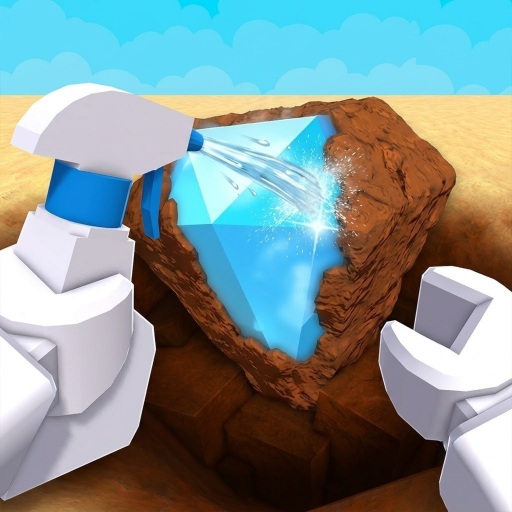
Dig Clean Spray Clean Reveal Mechanic | Dig & Clean 🧼 Wiki Guide
Dig Clean Spray Clean Reveal Mechanic for Dig & Clean 🧼: verified steps, clear evidence limits, live checks, and a practical route for safer Roblox progress.
The dig clean spray clean reveal mechanic search is best answered as an explanation of the reveal system, not as a promise of hidden numbers. In Dig & Clean 🧼, the supported route is to treat cleaning as a separate post-dig stage that converts a dirty find into an identified, comparable item. This guide focuses on understanding why an excavated object cannot be evaluated at the dig site. It also keeps a clear boundary around changing information: individual item outcomes and cleaning-speed numbers are not fixed claims on this page. Use the written sequence as a decision framework, then let the current Roblox interface settle every live price, strength gate, value, and access requirement.
Why excavation does not finish the find
A useful route measures the complete cycle rather than one exciting moment. Detector time, walking, extraction, cleaning, display management, and selling all compete for attention. Improving a step that is already fast can feel satisfying without increasing completed finds. Watch where items wait and where the game stops you; that is the strongest signal for the next decision.
For this part of the route, start with one observable check: recover an item from a glowing underground spot. Do not change several tools or goals at once. A controlled comparison makes it possible to see whether the action actually improves understanding why an excavated object cannot be evaluated at the dig site. If the result is unclear, run another similar cycle and keep the cheaper, more flexible option until a visible gate appears.
The practical stopping rule is simple: move on when this step is no longer the slowest or most restrictive part of the loop. That prevents a single system from consuming every coin while another part of progression stays blocked. It also keeps the advice useful after balance changes because the decision relies on current observations rather than a copied release-day price.
What the spray stage reveals
The archived gameplay behind this guide reflects release-era play, so the live client wins whenever wording, prices, access rules, or balance differ. This page avoids fixed costs where the evidence does not support them. Read the number shown in your current server, keep a reserve for the next goal, and compare results across several similar loops before committing more cash.
For this part of the route, start with one observable check: carry the dirty object to the player base. Do not change several tools or goals at once. A controlled comparison makes it possible to see whether the action actually improves understanding why an excavated object cannot be evaluated at the dig site. If the result is unclear, run another similar cycle and keep the cheaper, more flexible option until a visible gate appears.
Use this compact field checklist:
- Recover an item from a glowing underground spot.
- Carry the dirty object to the player base.
- Use the spray bottle at the cleaning station.
- Read the revealed item and its live return.
- Display the upgrade or sell the surplus.
The practical stopping rule is simple: move on when this step is no longer the slowest or most restrictive part of the loop. That prevents a single system from consuming every coin while another part of progression stays blocked. It also keeps the advice useful after balance changes because the decision relies on current observations rather than a copied release-day price.
How cleaning affects the museum decision
Glow color is useful before a dig, but it is only one part of the decision. The exact object remains unrevealed until cleaning, and a rare-looking target can still be a poor use of time when the shovel cannot extract it. After cleaning, use the displayed value or museum return rather than appearance alone to decide whether the find improves progression.
For this part of the route, start with one observable check: use the spray bottle at the cleaning station. Do not change several tools or goals at once. A controlled comparison makes it possible to see whether the action actually improves understanding why an excavated object cannot be evaluated at the dig site. If the result is unclear, run another similar cycle and keep the cheaper, more flexible option until a visible gate appears.
| Action | System | Live verification |
|---|---|---|
| Recover an item from a glowing underground spot | Detector or route | Check the live glow and area |
| Carry the dirty object to the player base | Shovel and target | Confirm the target is extractable |
| Use the spray bottle at the cleaning station | Cleaning and reveal | Read the revealed value |
| Read the revealed item and its live return | Museum or sale | Compare ongoing and immediate return |
| Display the upgrade or sell the surplus | Next progression gate | Retest after one change |
The practical stopping rule is simple: move on when this step is no longer the slowest or most restrictive part of the loop. That prevents a single system from consuming every coin while another part of progression stays blocked. It also keeps the advice useful after balance changes because the decision relies on current observations rather than a copied release-day price.
Balance cleaning speed with digging output
Museum income and immediate sales solve different problems. An occupied display continues producing cash while you explore, whereas a sale gives a one-time amount for a near-term purchase. Empty slots normally deserve useful cleaned finds first. Once the museum is full, compare the candidate with the weakest display and sell the piece that contributes less to the route.
For this part of the route, start with one observable check: read the revealed item and its live return. Do not change several tools or goals at once. A controlled comparison makes it possible to see whether the action actually improves understanding why an excavated object cannot be evaluated at the dig site. If the result is unclear, run another similar cycle and keep the cheaper, more flexible option until a visible gate appears.
The practical stopping rule is simple: move on when this step is no longer the slowest or most restrictive part of the loop. That prevents a single system from consuming every coin while another part of progression stays blocked. It also keeps the advice useful after balance changes because the decision relies on current observations rather than a copied release-day price.
Use the official Roblox experience as the final source for the current game description, interface, and launch destination.
Frequently asked questions
What is the safest first action for this topic?
Start with the live check described above and change only one part of the route. The aim is to solve a visible bottleneck, not to buy every available upgrade or chase a target the current shovel cannot recover.
Which numbers should I verify in the current game?
Verify prices, strength requirements, cleaning speed, travel access, display return, and sale value whenever they affect the decision. Those values can change after the release-era gameplay used as evidence for this guide.
How do I know the route is improving?
Compare several complete detect, dig, clean, and decide cycles. A useful change should produce more completed finds, remove a clear access gate, shorten a real queue, or improve sustainable museum income without exhausting the cash needed for the next goal.